

Austin Corporate Catering Guide for Meetings, Conferences and Company Events
Food can make an event feel organized before a single agenda item begins. In Austin, where guests may expect both convenience and local flavor, the right menu needs to do more than fill plates. It should match the timing, energy, guest count, and tone of the event.
This Austin corporate catering guide breaks down what to serve for breakfast meetings, lunches, receptions, VIP events, and large conferences, with practical ideas that work across different formats.
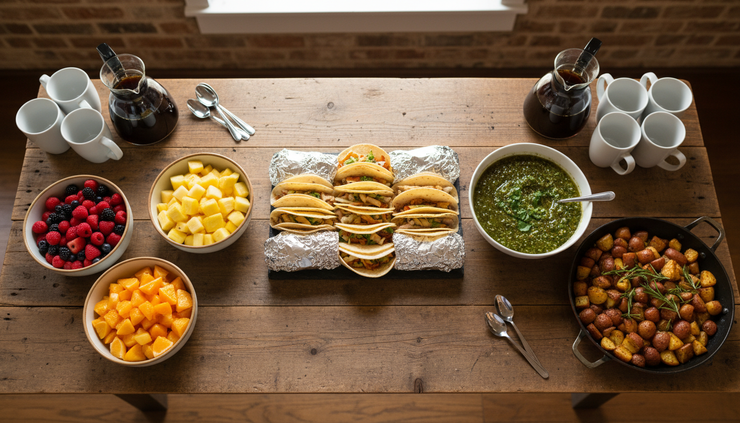
Breakfast meetings work best with food that is easy to handle
Morning catering should be simple, neat, and fast to serve. Guests are often arriving, checking schedules, and settling in, so avoid foods that need too much attention.
A strong Austin breakfast spread can include:
Breakfast tacos with egg, potato, bean, cheese, bacon, or veggie fillings
Fresh fruit cups or platters
Greek yogurt with granola
Mini pastries or muffins
Coffee, hot tea, juice, and plenty of water
For a smaller meeting, individually wrapped items can reduce mess and speed up service. For a longer morning session, add protein-rich options like egg bites, smoked brisket tacos, or black bean tacos so guests are not hungry an hour later.
Best fit
Use breakfast tacos for casual mornings, plated hot breakfasts for executive sessions, and boxed breakfast kits when timing is tight.
Watch out for
Salsas and sauces can get messy. Serve them on the side with clear labels, especially if there are mild and spicy options.
Lunch should balance comfort, speed, and energy
Lunch is often the main meal for company events, so it carries more weight. The goal is to serve something satisfying without slowing down the day.
For working lunches, boxed meals are practical. Sandwiches, wraps, grain bowls, and hearty salads are easy to distribute and clean up. Include vegetarian, gluten-free, and dairy-free options without making them feel like afterthoughts.
For team lunches or training days, a buffet can feel more generous. Austin-friendly buffet ideas include:
Fajita bars with chicken, beef, tofu, peppers, rice, beans, and tortillas
Barbecue spreads with brisket, turkey, sausage, beans, slaw, and pickles
Taco and bowl stations with several proteins and toppings
Mediterranean spreads with grilled vegetables, chicken, hummus, rice, and salad
A good lunch menu needs clear labels. Mark allergens and dietary options in plain language. That small step prevents confusion and keeps the line moving.

Receptions need bite-sized food with variety
Receptions are more social than structured meals. Guests may stand, mingle, and move between conversations, so the menu should be easy to eat with one hand.
Passed appetizers work well for shorter receptions or more polished events. Stations work well when the guest list is larger or the reception lasts more than an hour.
Good reception choices include:
Mini brisket sliders
Chicken skewers with dipping sauce
Queso cups with tortilla chips
Shrimp bites or ceviche cups
Stuffed mushrooms
Mini empanadas
Vegetable crudité cups
Dessert bites like mini lemon bars, brownies, or churros
Plan for a mix of warm and room-temperature items. This helps the service team keep food fresh and prevents bottlenecks around one station.
Drinks matter here too. Offer sparkling water, still water, iced tea, and a few alcohol-free options with flavor. If alcohol is served, pair it with enough food and make sure water is visible.
VIP events call for cleaner presentation and tighter menus
VIP catering is less about having endless choices and more about fit, flow, and finish. The menu should feel intentional. Service should be quiet, smooth, and well timed.
For a VIP breakfast, think mini quiche, seasonal fruit, fresh pastries, smoked salmon, and premium coffee. For lunch or dinner, plated service or a refined buffet may be better than a large self-serve spread.
Strong VIP menu ideas include:
Seared chicken or fish with seasonal vegetables
Short rib or brisket with polished sides
Composed salads with local greens
Chef-attended carving or taco stations
Small desserts plated individually
Keep the menu focused. Three excellent entrees will make a better impression than eight average ones. Ask about dietary needs early, then build the menu so everyone has a thoughtful option.
Service details matter most at this level. Confirm timing, room access, plating style, glassware, cleanup, and whether staff will refresh drinks or clear plates during the event.

Large conferences need menus built for movement
Conference catering has a different challenge. It must feed many people quickly, often in waves. The best menus are easy to replenish, easy to label, and easy to eat between sessions.
For breakfast, choose high-volume items like breakfast tacos, fruit, yogurt, pastries, and coffee stations placed in more than one area. For lunch, buffets can work if there are enough serving lines. Boxed lunches can be better when schedules are tight.
For all-day conferences, plan snacks with staying power:
Trail mix or nut-free snack mix
Whole fruit
Granola bars
Pretzels and hummus
Cookies or brownies
Coffee refreshes and iced tea
Water stations throughout the venue
Event type | Best service style | Smart menu choice |
Breakfast meeting | Wrapped items or buffet | Breakfast tacos and fruit |
Working lunch | Boxed meals | Wraps, bowls, and salads |
Reception | Passed bites or stations | Sliders, skewers, and queso cups |
VIP event | Plated or refined buffet | Seasonal entrees and plated desserts |
Large conference | Multi-line buffet or boxed meals | Scalable meals with clear labels |
When planning a conference, build the menu around the schedule. If guests only have 30 minutes, avoid anything that creates a long line. If the event spans a full day, include enough beverage service. Dehydrated guests notice.
The best menus reflect Austin without overcomplicating the day
Austin catering can include local character without turning every meal into a barbecue feast. Breakfast tacos, smoked meats, Tex-Mex sides, fresh salsas, seasonal produce, and casual dessert bites all bring a sense of place.
The key is matching the menu to the moment.
A short breakfast needs speed. A lunch needs balance. A reception needs movement. A VIP meal needs polish. A large conference needs scale and clarity.

Before finalizing any company event menu, confirm the guest count, timing, venue rules, allergies, service style, and cleanup plan. Those details shape the meal as much as the food itself. A well-planned catering menu keeps guests comfortable, keeps the schedule on track, and gives the event a clear sense of care.


Comments